Blogs
Launch notes, experiments, and studio updates
Business & Organization
What an AI-native organization looks like, and what tech's experience says about other industries.
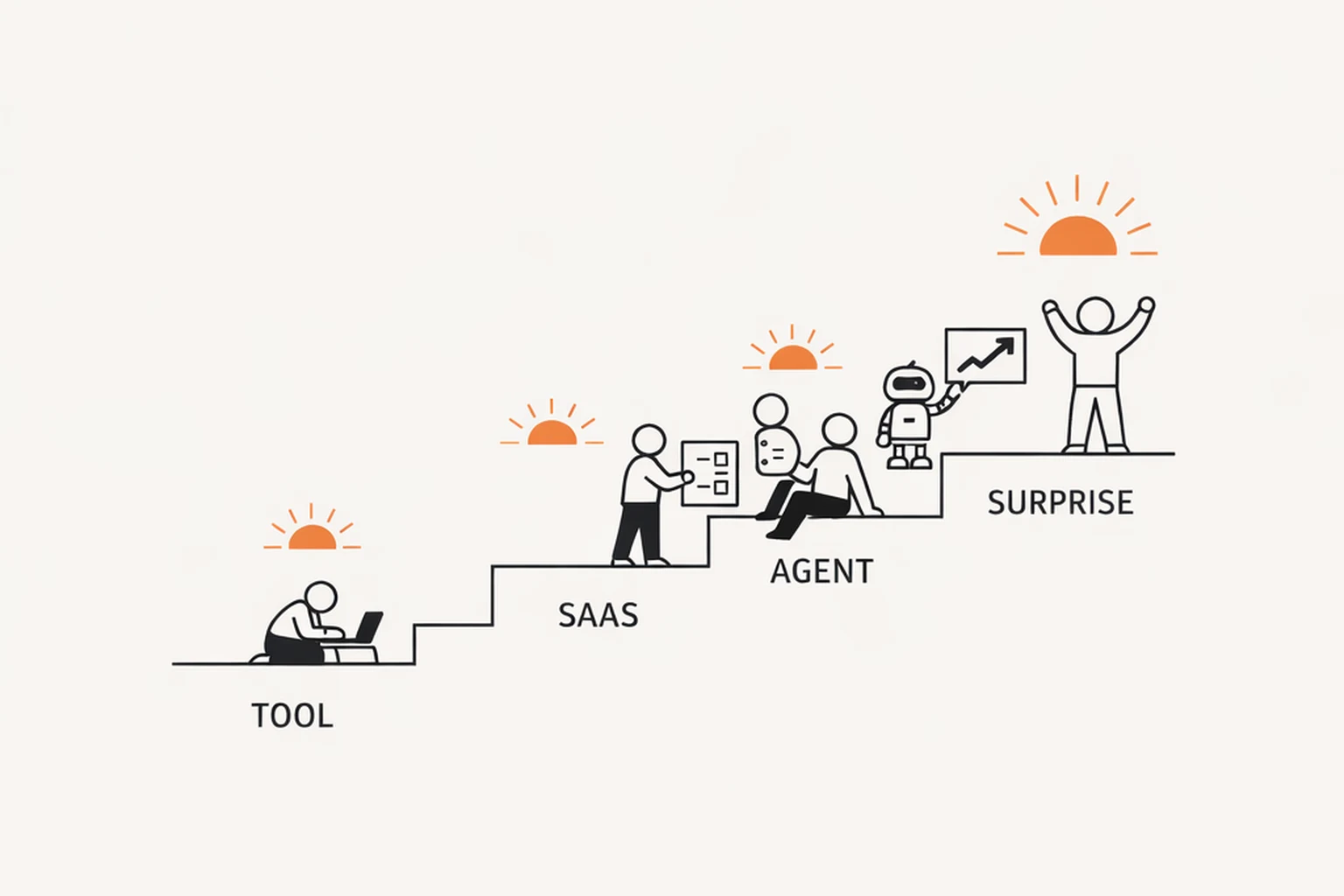
Four Mornings of a Retainer Team: The Four Levels of Enterprise AI-Native Maturity
AI-native is not a scale of how much of the old org you have automated — it is a redesign of how people, agents, information, and decisions relate. From four mornings to why a digital employee can charge $20K–200K a year.
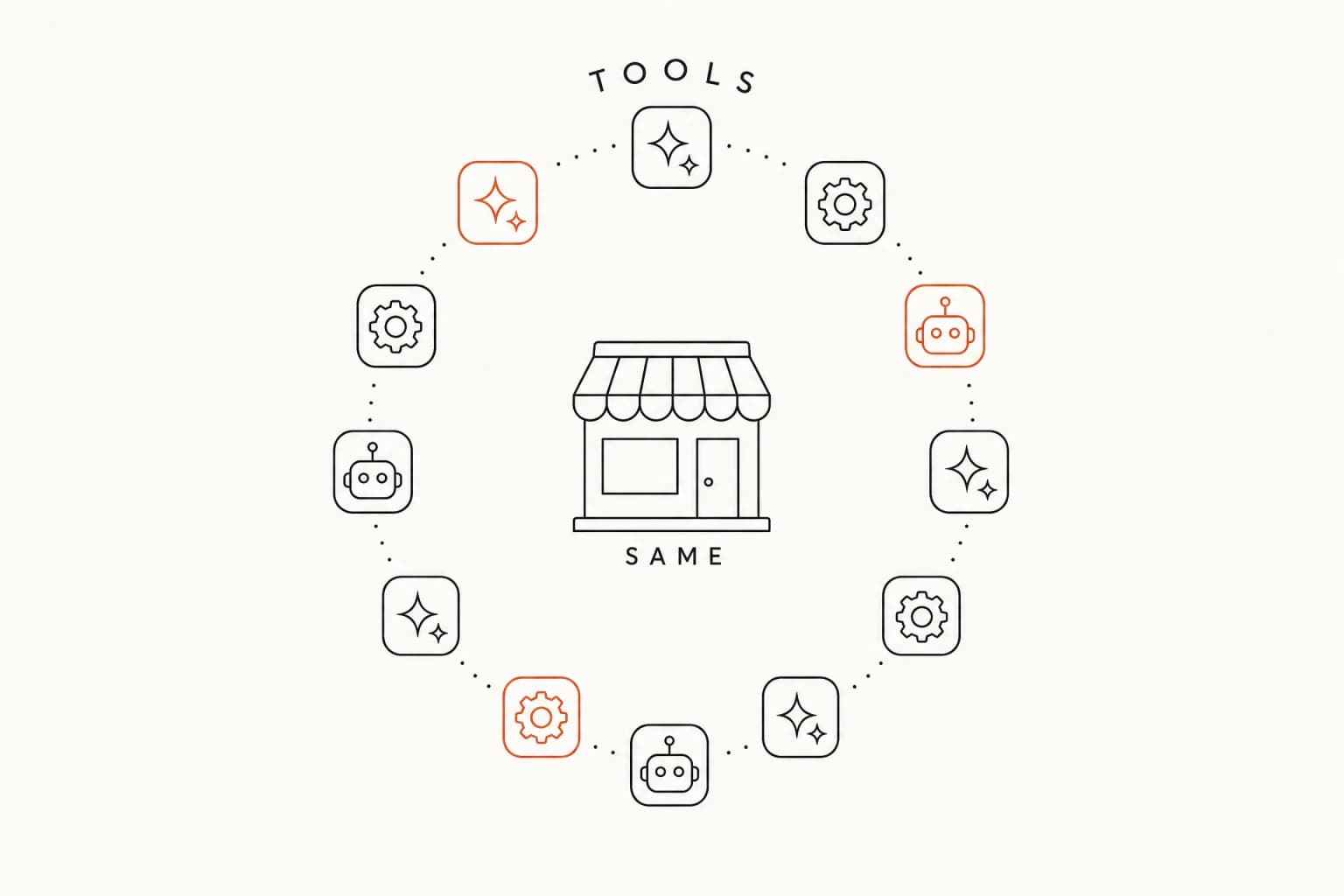
You Haven't Hired Anyone, But You're Already Running a Company
Everyone already knows you just need to supervise AI instead of executing everything yourself; but here's what you don't know: you haven't hired anyone, yet you're already running a company. The AI-Native Organization, Part 1: The individual and the small team.

Build Your Company as a Federation of Amoebas
A department is a context-bounded token partition, a company is a federation of amoebas, and every rule is inherited from software engineering.
The AI-Native Organization, Part 2: Organizations and scale.
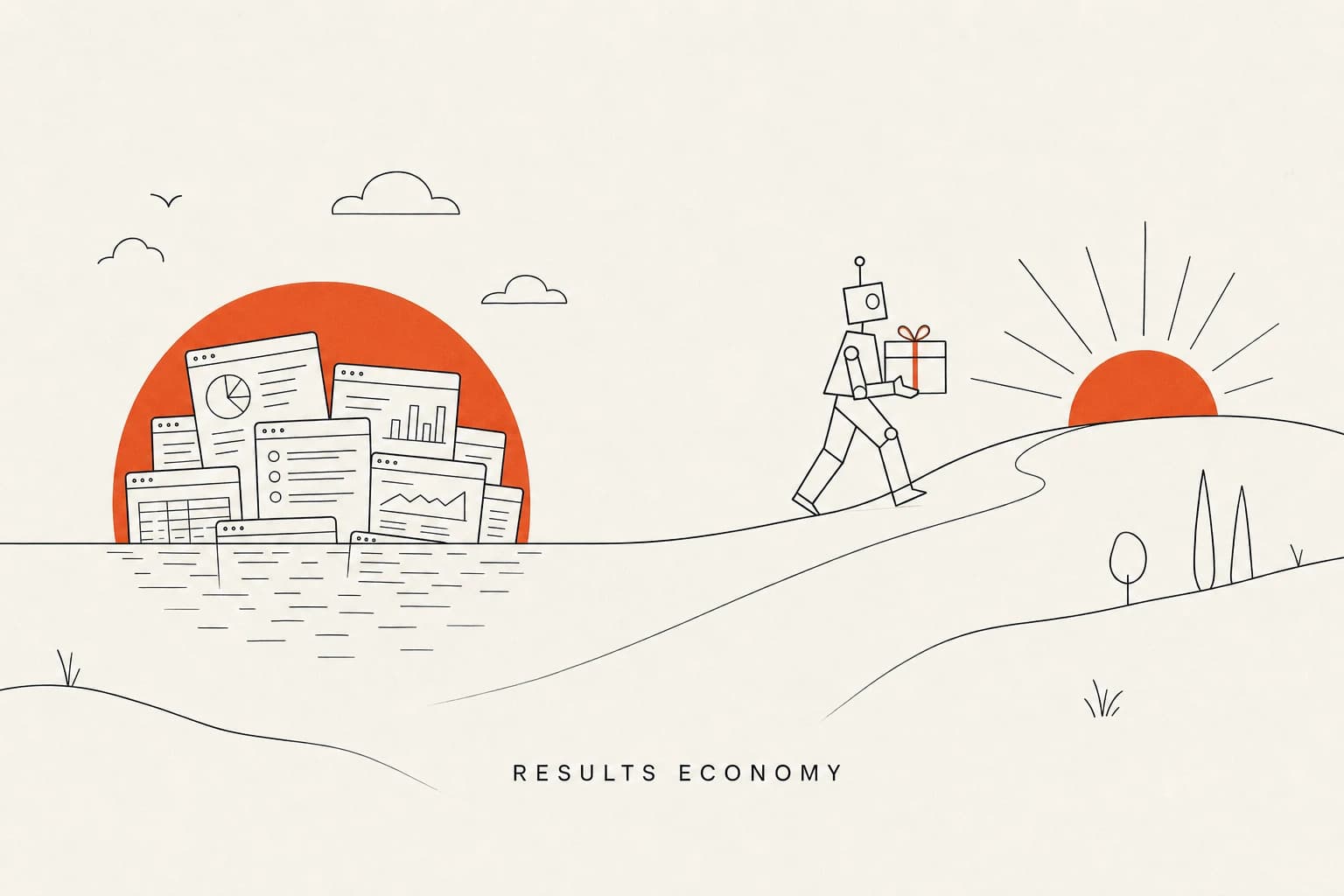
Farewell SaaS, Embrace the Agent: On the Rise of the "Results Economy"
Why SaaS is hitting its ceiling and how the "results economy" grows out of the cracks: the business logic of agents selling results instead of tools, and the stages their commercialization will pass through. The second half is a labeled fantasy that pushes this logic decades further out.
How I Use AI
AI is powerful, but how well it works depends on the rules you give it.
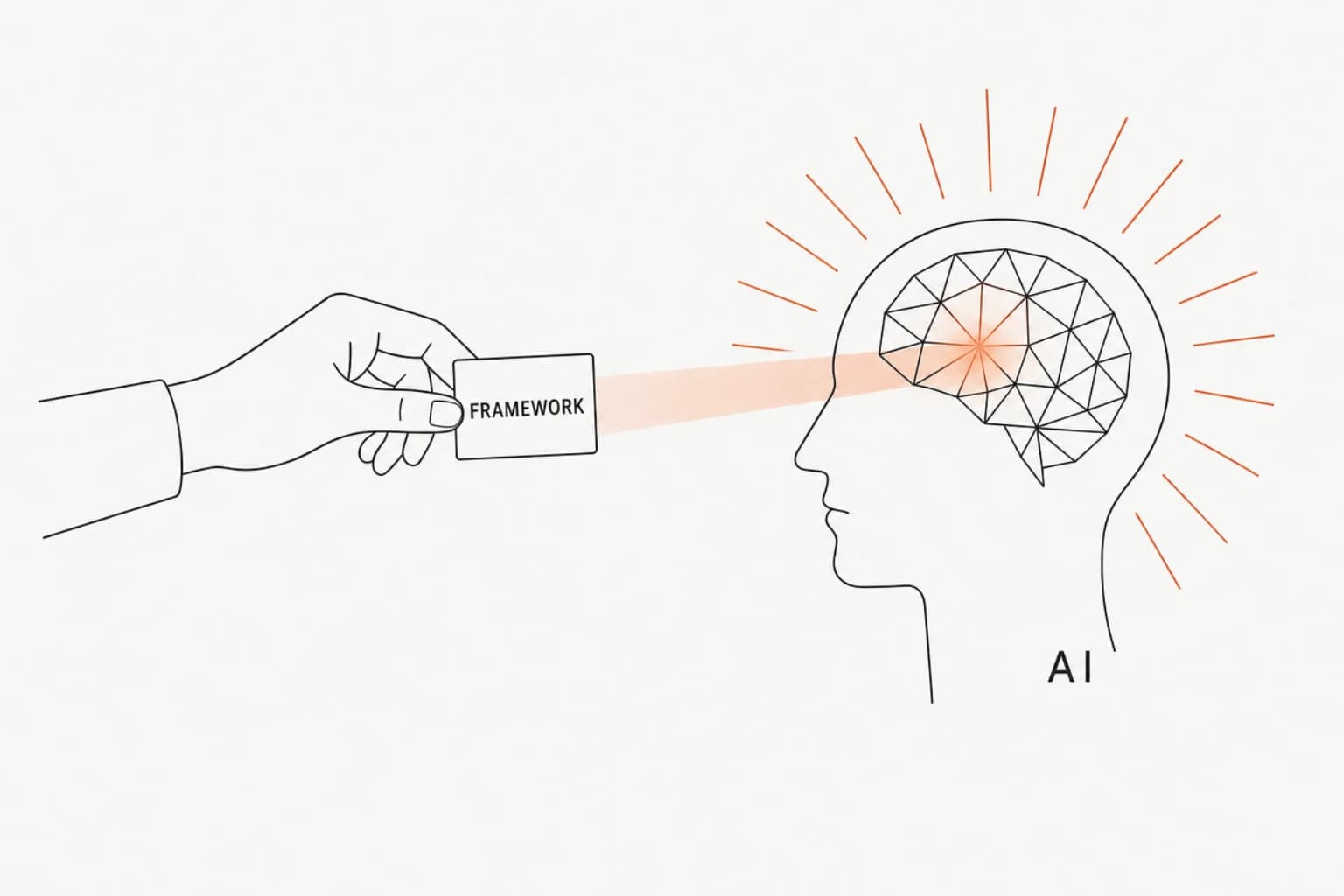
The More Mental Models You Master, the More Useful AI Gets
Why does AI give you mediocre answers? Because it knows everything, any specific piece of knowledge gets diluted. The solution is simple: tell it which mental models you have mastered. This article gives you a list of frameworks you can use right away.
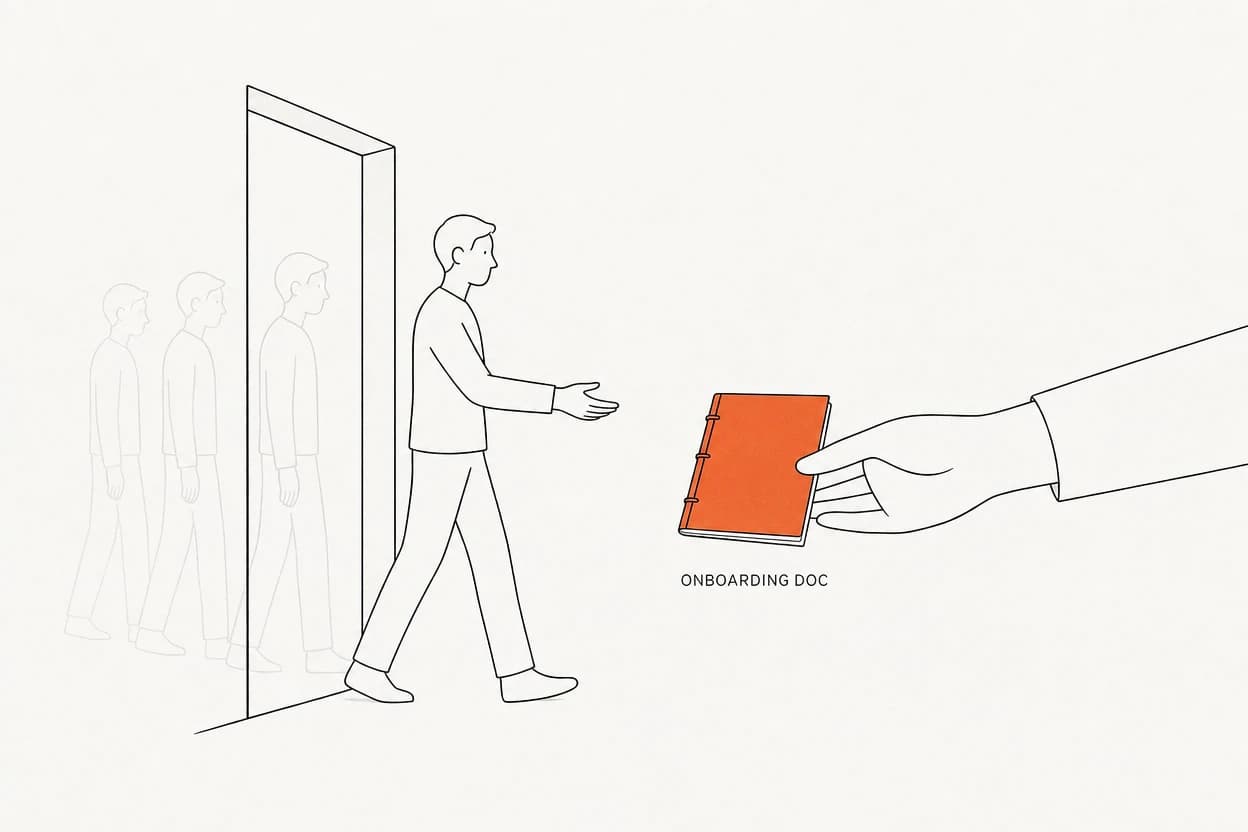
The Instructions I Give My AI
I've tried most of the prompt-engineering tricks, and they wear off like superstition. What actually changed how my AI works for me is duller: every session resets clean, like a brilliant new hire who forgets everything overnight. So I wrote it an onboarding doc, and this is the work discipline and task-handing habits I actually use.
Thought Experiment
From one small town's economy to the shape of the global economy, in five parts.
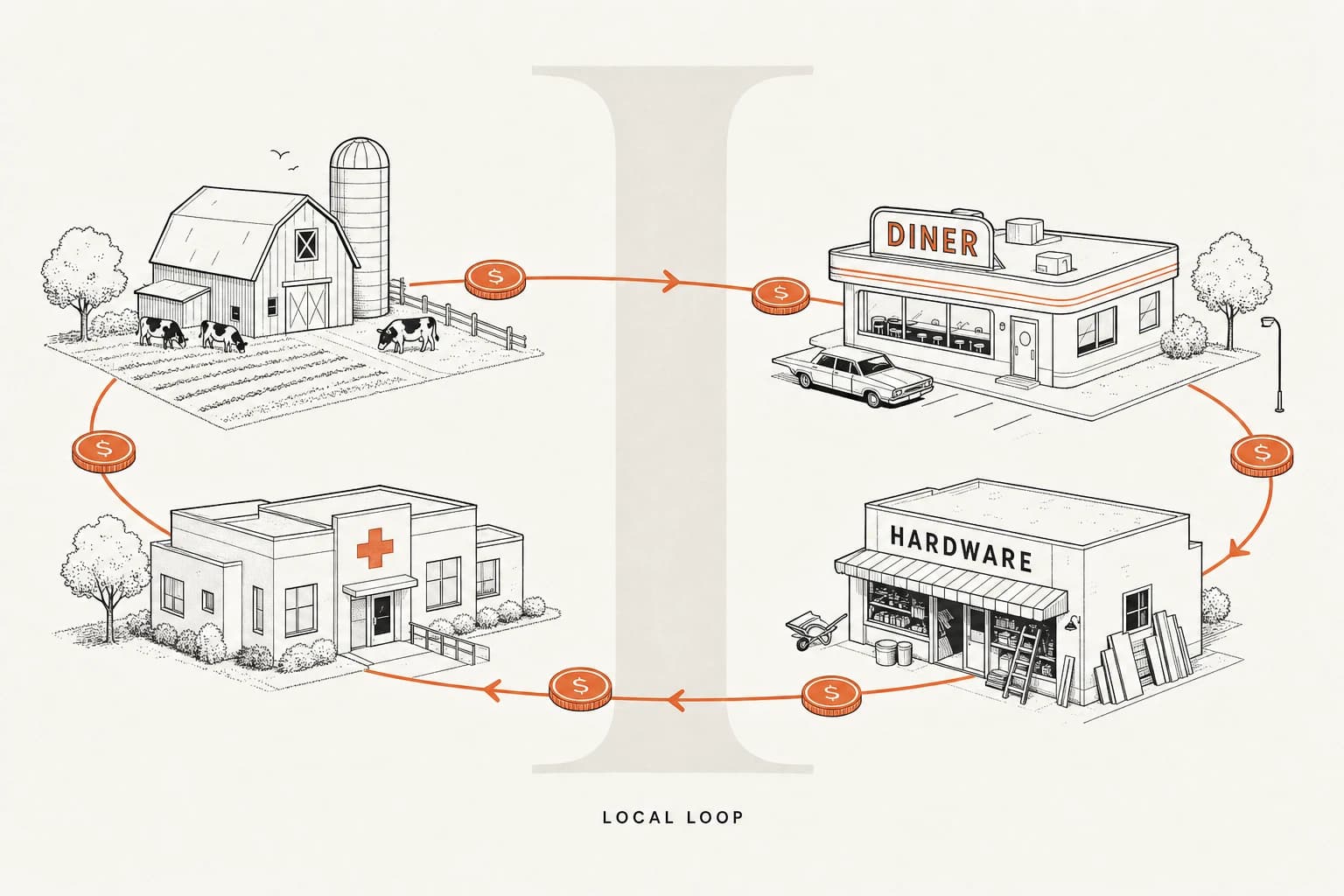
Part One: The Pulse of a Small Town, and the Survival Principles of America's Local Economies
How does a small American town that seems to produce nothing actually stay alive? A layer-by-layer dissection of what really keeps a local economy running.

Part Two: One Key to Unlock Every Lock. Understanding Global Wealth Disparity Through the "Tradable/Non-tradable" Framework
Why does the same haircut carry a wildly different price tag from one country to the next? Set the old three-sector model aside and look through a new lens: tradable versus non-tradable.

Part Three: From the Metropolis to the Planet, a Picture of the Global Division of Labor Under a Single Framework
New York and Shanghai look more alike on the surface every year. Put them under the tradable/non-tradable X-ray, though, and their economic DNA turns out to be nothing alike.
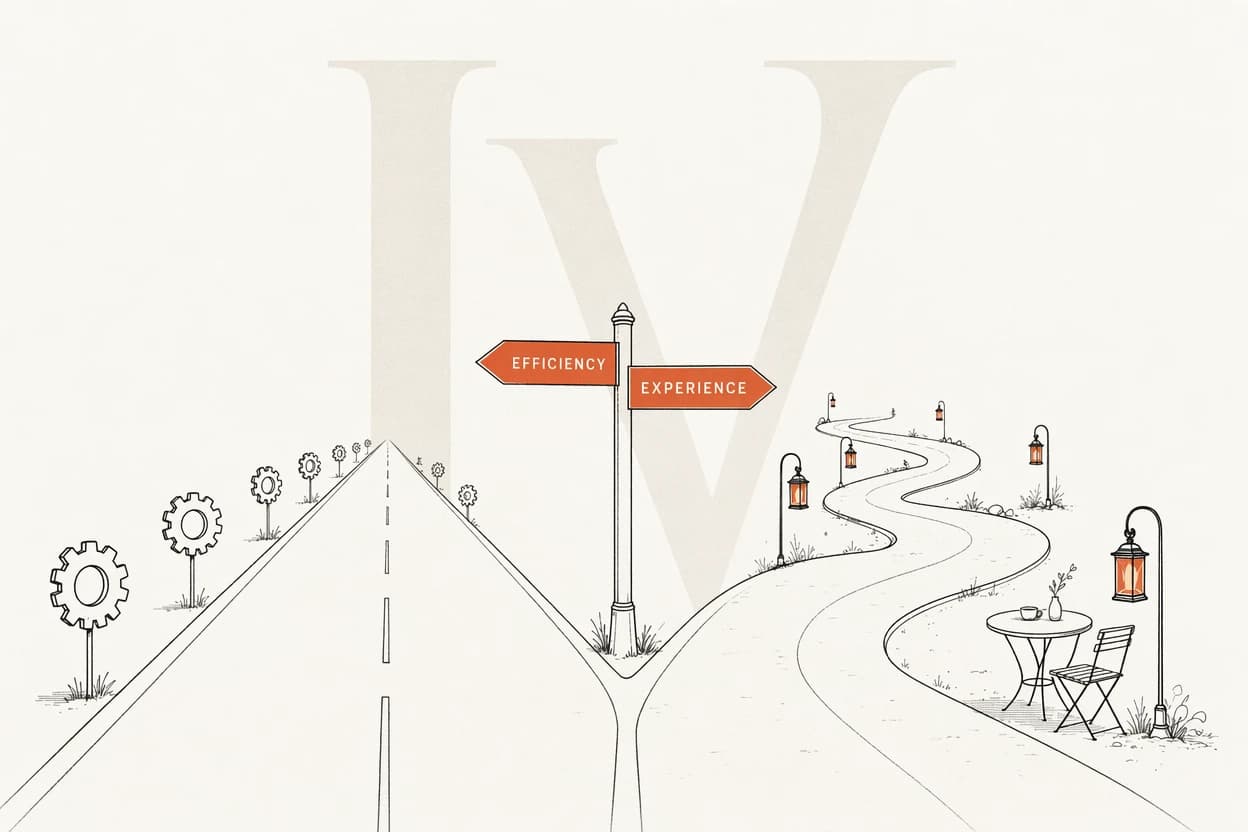
Part Four: The Binary Future of Efficiency and Experience, a Quantitative Projection of the Next Socio-Economic Model
The economy is running toward two extremes: maximum efficiency or maximum experience. The stuck-in-the-middle ground between them is quietly disappearing.

Part Five: Crossing "The Great Mismatch Era": The Difficult Road and Strategic Map to Future Prosperity
The storm of the Great Mismatch is four layers of mismatch resonating at once. You can't cross it until you see exactly how it's built.
Engineering & Productivity
Launch notes, experiments, and standalone writing.
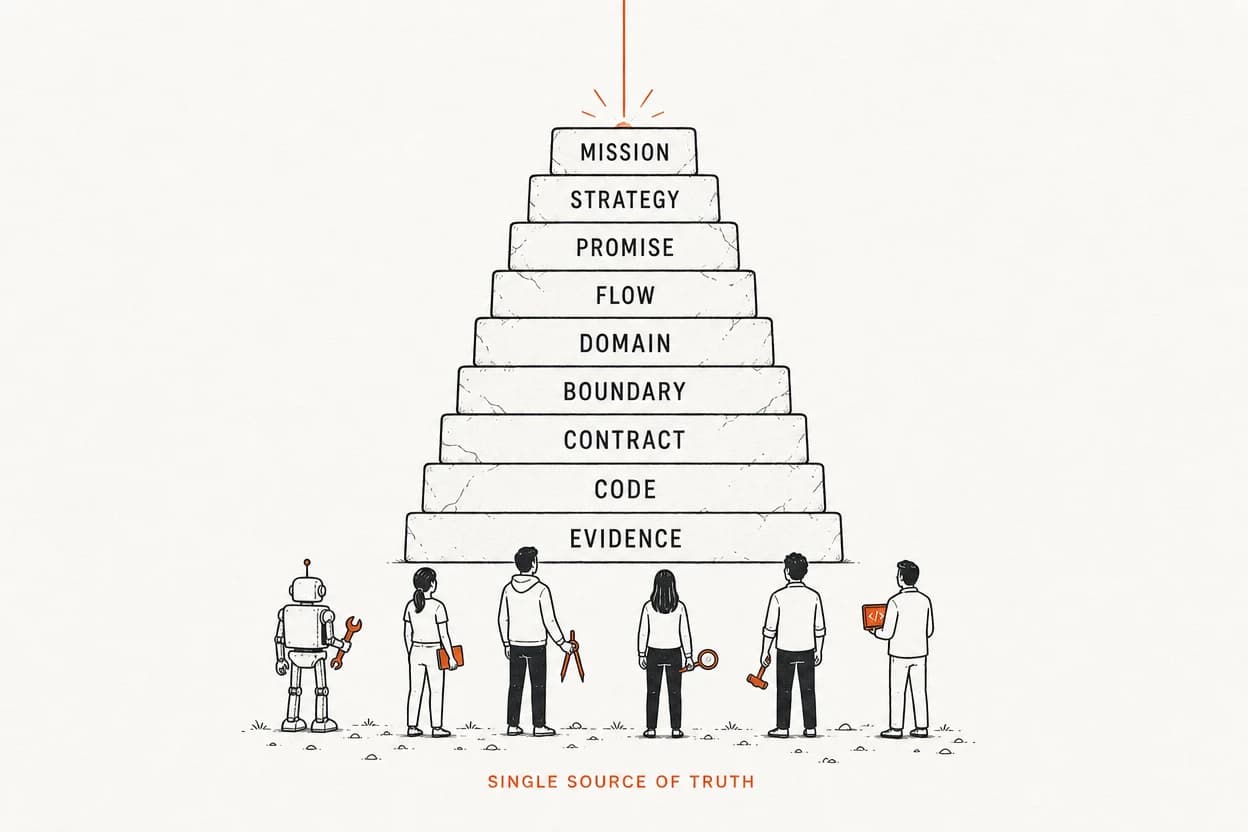
SSOT: Why Every Software Engineering Principle Is Really About One Thing
Complex products, AI-native output, and fast iteration naturally split team truth. The SSOT Nine-Layer Pyramid lets AI agents, product, operations, sales, support, and engineering share one current decision snapshot.

How to Build an SSOT Nine-Layer Pyramid Model
A reusable method for constructing a team SSOT that aligns AI agents, product, operations, sales, support, and engineering across mission, strategy, promise, Flow, contract, implementation, and evidence.
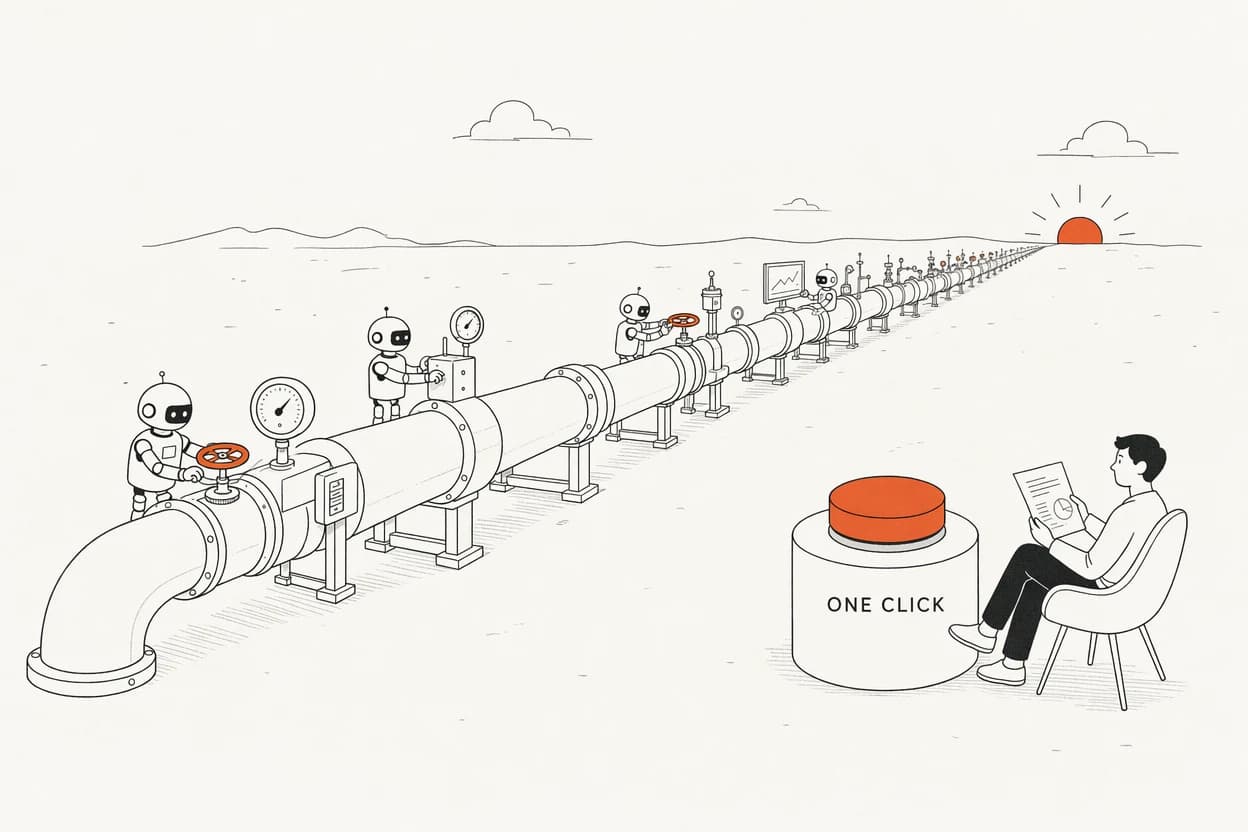
When AI Speeds Up Development, Release Cannot Still Depend on Human Babysitting
Once AI is deeply involved in development, release workflows need to be redesigned too. True one-click release is not about clicking faster. It is about removing human attention from release details.

The Hidden Scaling Laws of Startup Engineering: What I Learned Building 50K Lines of Code in 2 Months
How doubling your codebase creates completely different engineering challenges, and why most teams aren't ready for the transitions.
Get new articles by email
One email when a new article lands. Nothing else.