AI-Native Engineering Manifesto
View the GitHub repoContents
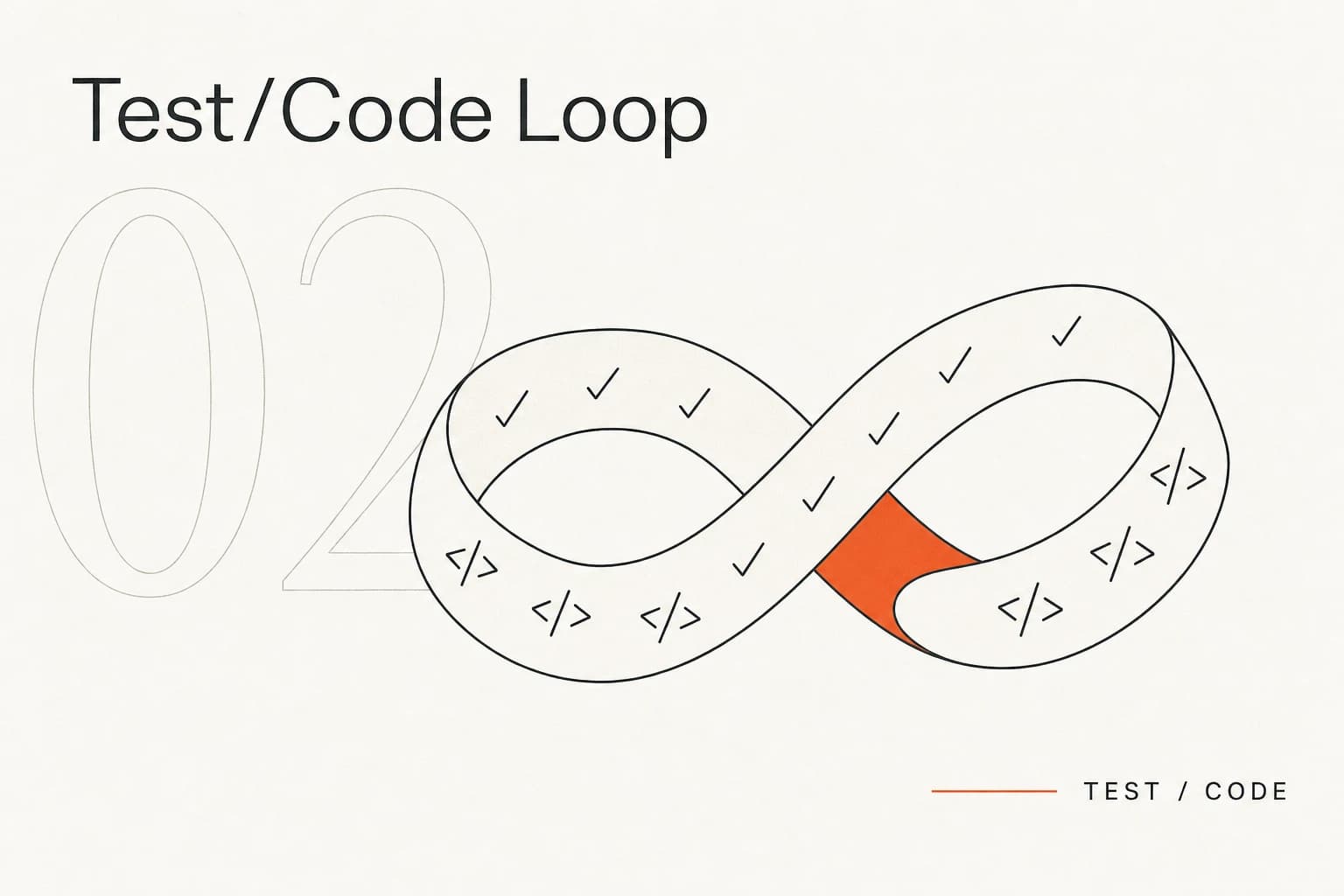
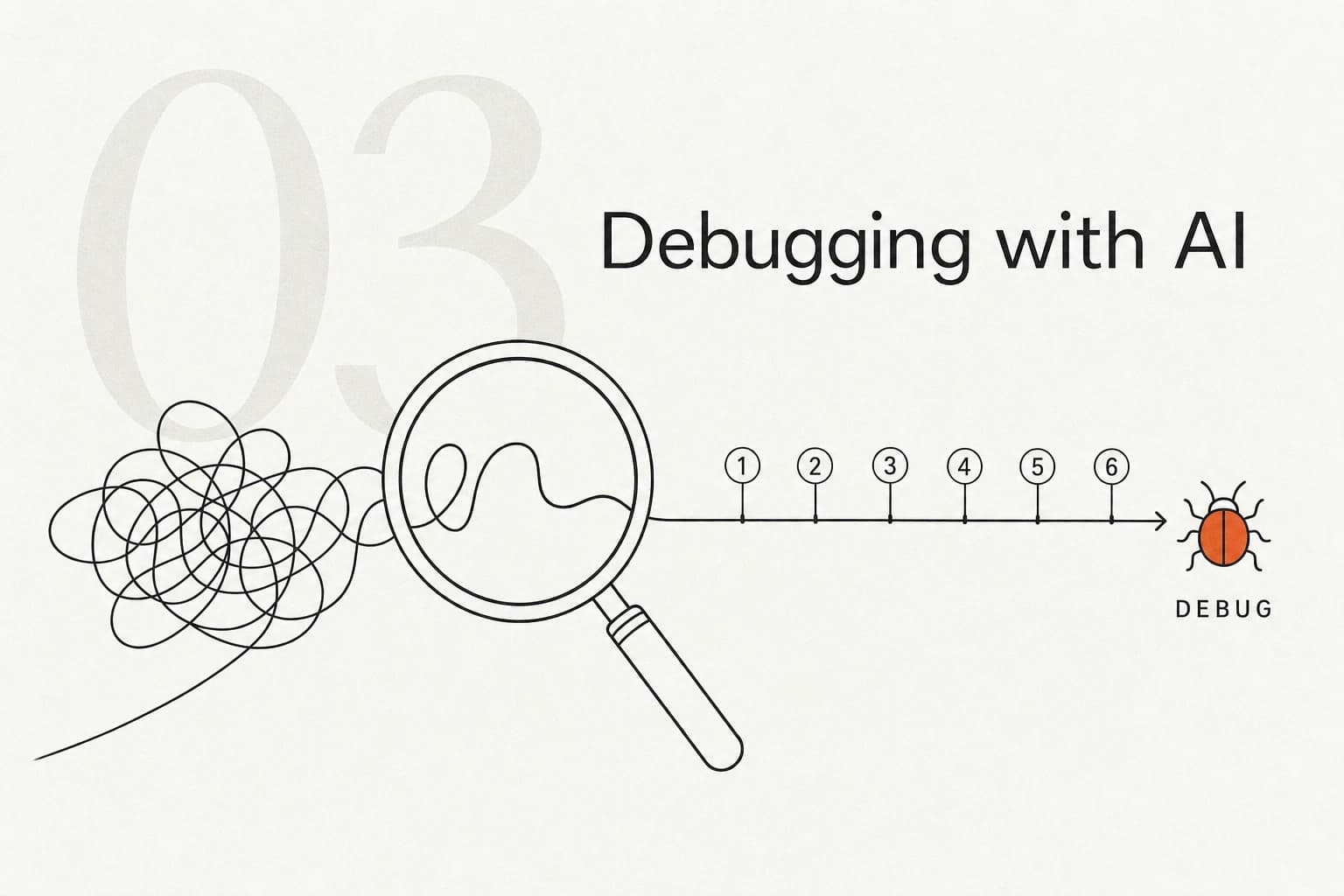
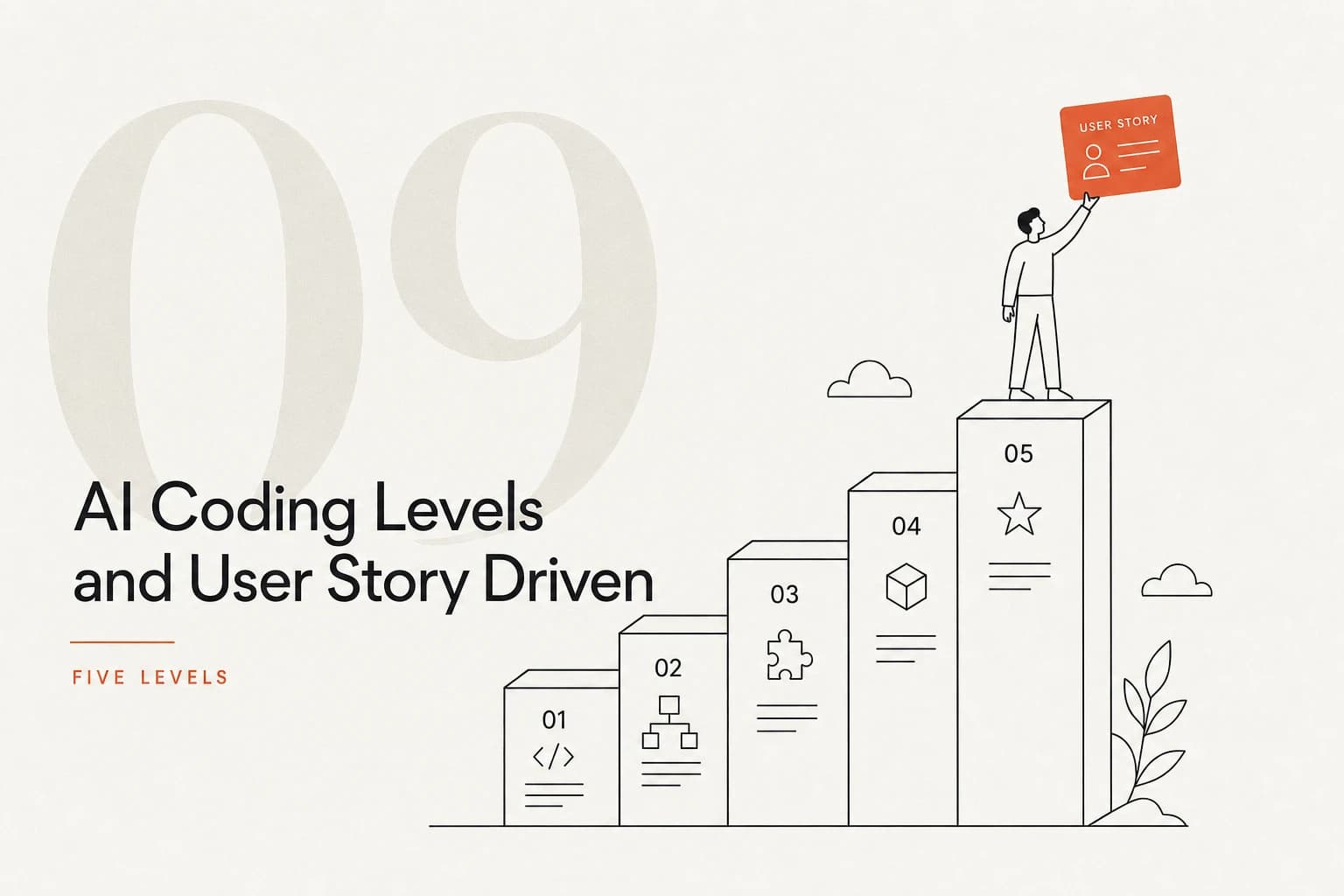
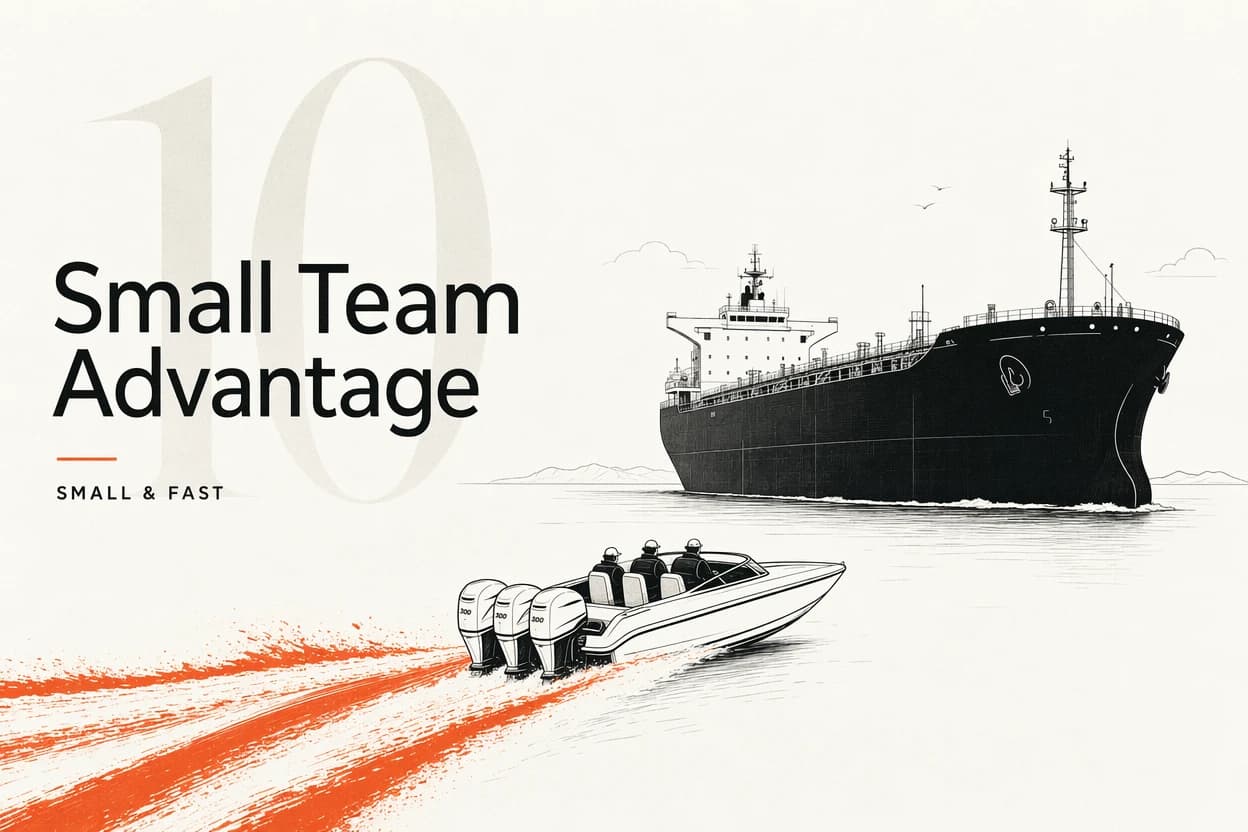
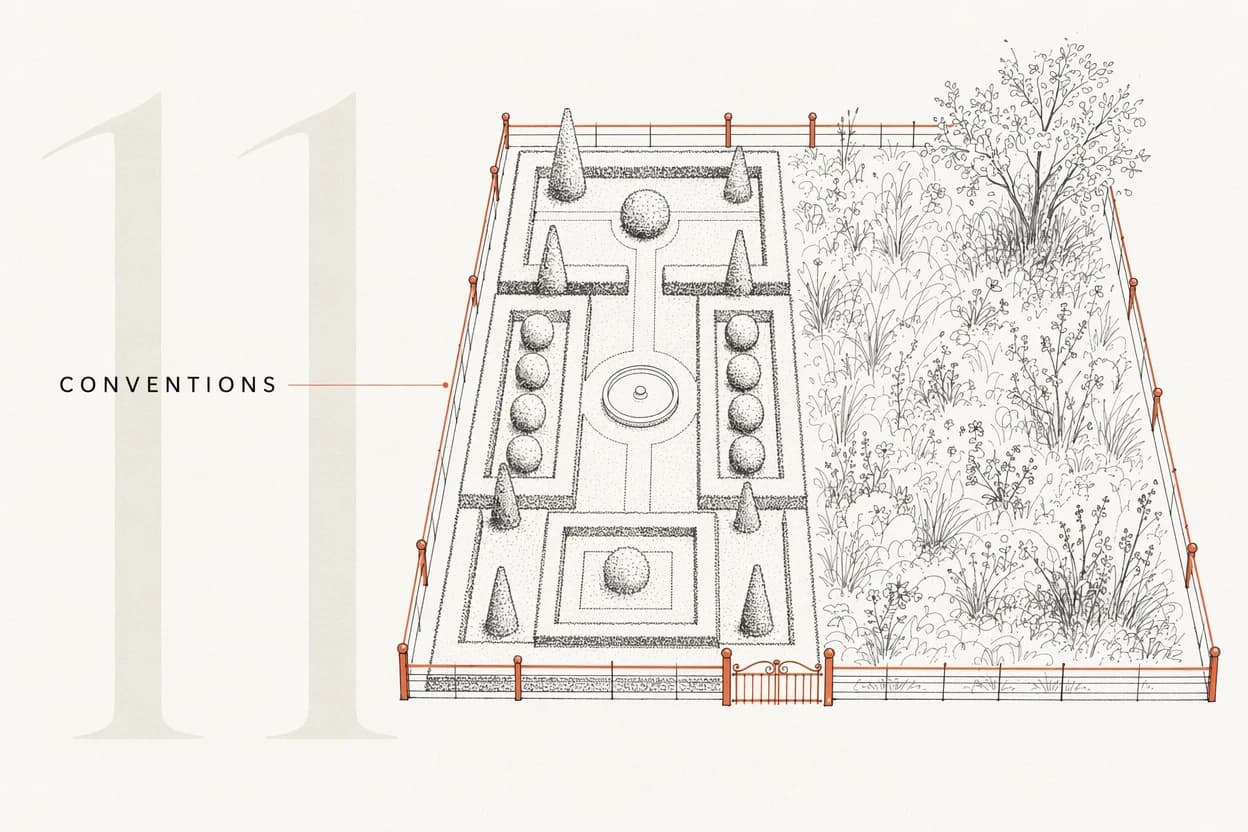
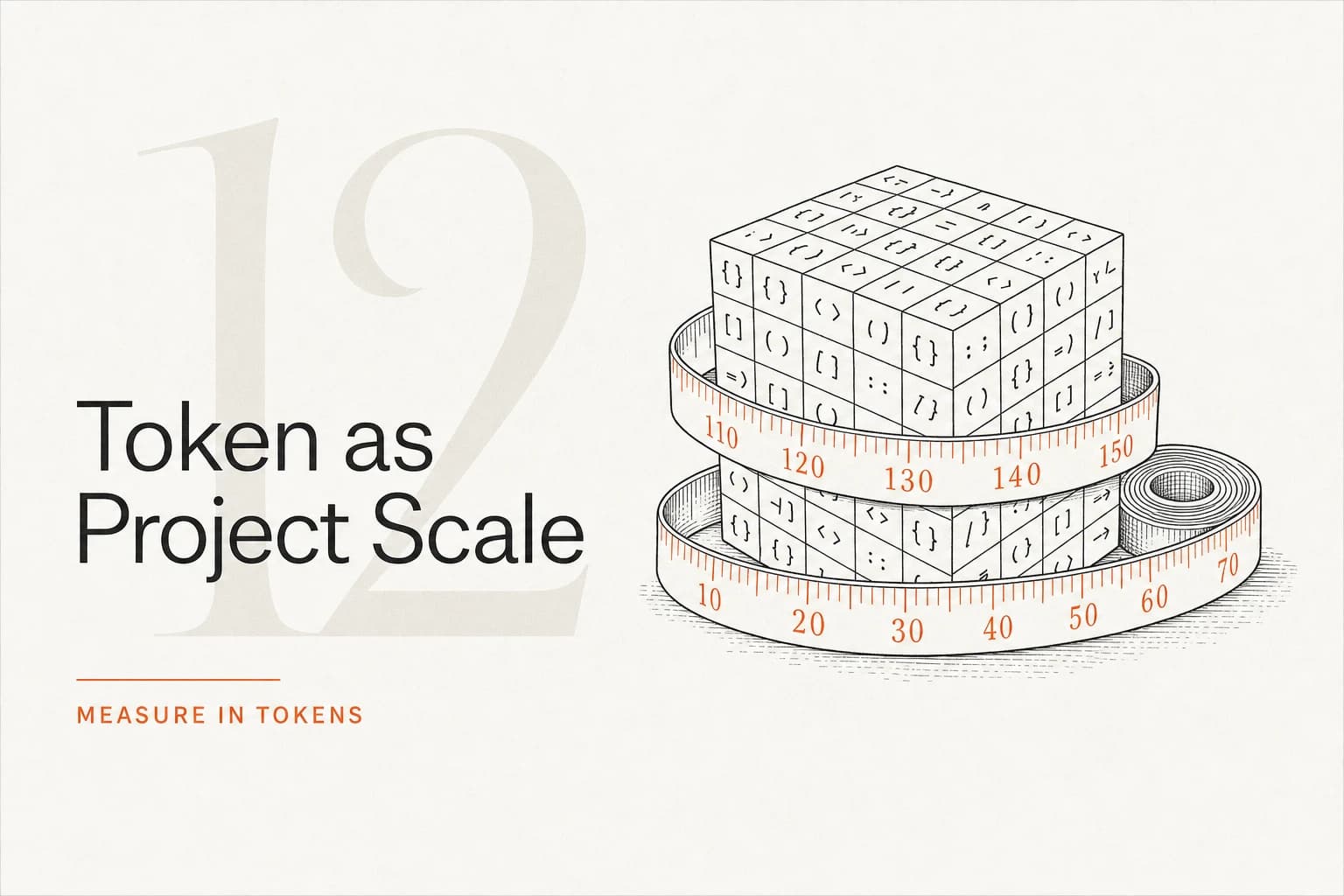
00.1QuotationsThe manifesto as first written: 11 hard truths in brief, the extended chapter map, and every revision from March 2025 to May 2026.00.2AI-Native Engineering: 11 Hard Truths for 2025A founder note on building AI-native organizations and systems.01Chapter 1: AI Statelessness and Context WindowUnderstanding AI hinges on understanding its statelessness. Your codebase should shed all procedural and historical baggage so that any reader, every AI session, needs zero historical context to operate.02Chapter 2: Test/Code Loop: Why Test Code Is More Important Than Functional CodeYou must spend a lot of time, more than 50%, writing testing code.03Chapter 3: Debugging: Finding Bugs with AI in Deep WatersToday's AI programming is programming in uncertainty, in chaos, in confusion.04Chapter 4: Tools and Context Selection: Why AI IDEs Sell "Context Selection Capability"AI IDEs or AI Agents sell two things: Context selection capability, and best practice generalization capability.05Chapter 5: AI-Native Workflows: Plan/Act, Test/Code, Doc/Code/DocPlan/Act, Test/Code, Doc/Code/Doc are the new operating system of engineering.06Chapter 6: From Vertical to Horizontal ComplexityWe should transform software complexity from vertical to horizontal... by increasing the diversity of paths, we can reduce the depth of any single path.07Chapter 7: Human-in-the-Loop and OnboardingAI cannot solve all problems. AI cannot solve the first mile and the last mile. This is essentially a human problem.08Chapter 8: Choosing AI-Compatible Technology StacksVery new technology stacks are hard for AI to master, because training data is too limited... The word 'compatibility' gains a new meaning in this context.09Chapter 9: Five Levels of AI Coding and the User Story Driven EndgameVibe Coding only describes a very primitive stage. The endgame should be user-story-driven development.10Chapter 10: The Structural Advantages of AI-Native Small TeamsAn era when small teams can win... We carry no baggage, so we can rebuild productivity across every step of how we work, as thoroughly as we like.11Chapter 11: Conventions and Development Standards: Let AI Dance in ChainsThe importance of Convention and development standards for AI-Native teams will only be higher, because they are the best tools to slow entropy increase. At the start of a project, we should design as many constraints and conventions as possible. Let AI 'dance in chains.'12Chapter 12: Token as a Quantitative Measure of Project ScaleA token count quantifies how much information a project contains: convert everything the project has accumulated into tokens, and that number is a measure of its scale.13Chapter 13: Meeting Recording→PRD→TDD→Code: AI-Native Team's Knowledge WorkflowOne of the more radical ideas from earlier drafts, worth trying once we have the money and the people: record every meeting → generate transcripts → generate PRDs → generate TDDs → generate code drafts.14SSOT: Why Every Software Engineering Principle Is Really About One ThingComplex products, AI-native output, and fast iteration naturally split team truth. The SSOT Nine-Layer Pyramid lets AI agents, product, operations, sales, support, and engineering share one current decision snapshot.15How to Build an SSOT Nine-Layer Pyramid ModelA reusable method for constructing a team SSOT that aligns AI agents, product, operations, sales, support, and engineering across mission, strategy, promise, Flow, contract, implementation, and evidence.



Get new articles by email
One email when a new article lands. Nothing else.